


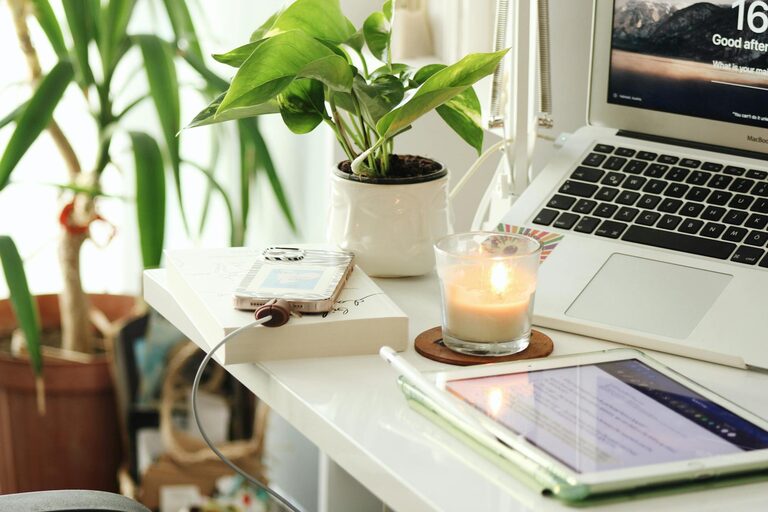
Creating a productive home office environment is key to maintaining focus, staying organized, and enjoying your work-from-home experience. Whether you’re new to remote work or simply want to improve your current setup, there are many ways to design a space that motivates and supports you throughout the day. In this post, we’ll explore essential tips to help you build a home office that balances comfort and efficiency.
Choose the Right Location
Selecting the best spot in your home for your office is the first step. Ideally, you want a quiet area with minimal distractions. If possible, choose a separate room rather than a shared space. This separation helps your brain associate the space with work, making it easier to focus.
If a dedicated room isn’t available, consider using room dividers, screens, or even a corner of a quieter room. Natural light is also important; positioning your desk near a window can enhance mood and reduce eye strain.
Invest in Ergonomic Furniture
Comfort is essential when spending hours at your desk. Ergonomic furniture supports your posture and reduces the risk of discomfort or injury.
– Chair: Choose an adjustable chair with lumbar support to keep your spine aligned.
– Desk: Ensure your desk height allows your forearms to rest parallel to the floor.
– Monitor: Position your computer screen at eye level to prevent neck strain.
– Accessories: Consider a keyboard wrist rest and an adjustable footrest if needed.
Taking care of your body helps improve concentration and reduces fatigue.
Keep Your Space Organized
Clutter can be a major distraction. A tidy, well-organized workspace encourages productivity and a calm mindset.
– Use shelves, drawers, and filing cabinets to store office supplies and documents.
– Invest in cable organizers to manage cords and prevent tangles.
– Keep only essential items on your desk to maintain focus.
– Regularly declutter to remove unnecessary papers or equipment.
Consider minimalistic décor to create a clean and inviting environment.
Optimize Lighting
Proper lighting reduces eye strain and improves alertness. Too dim or harsh lighting can lead to headaches and fatigue.
– Use a combination of natural light and artificial light.
– Position your desk so that natural light comes from the side, avoiding screen glare.
– Choose daylight white bulbs for your desk lamp to mimic natural light.
– Dim overhead lights if they are too bright or cause glare.
Adjusting your lighting throughout the day can support your body’s natural rhythm.
Establish a Routine
Having a consistent work schedule helps create boundaries between work and personal life. It can also improve your productivity because your body and mind know when it’s time to focus.
– Set specific start and end times for your workday.
– Schedule breaks to rest your eyes and stretch.
– Use a calendar or planner to organize tasks and deadlines.
– Communicate your working hours to family or housemates to minimize interruptions.
A routine also helps reduce feelings of burnout by creating structure.
Personalize Your Space
Adding personal touches makes your home office more inviting and motivating.
– Decorate with artwork or photographs that inspire you.
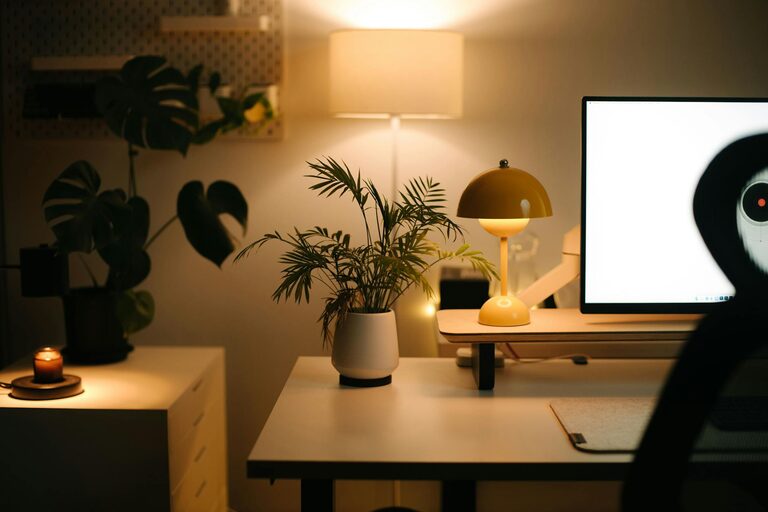
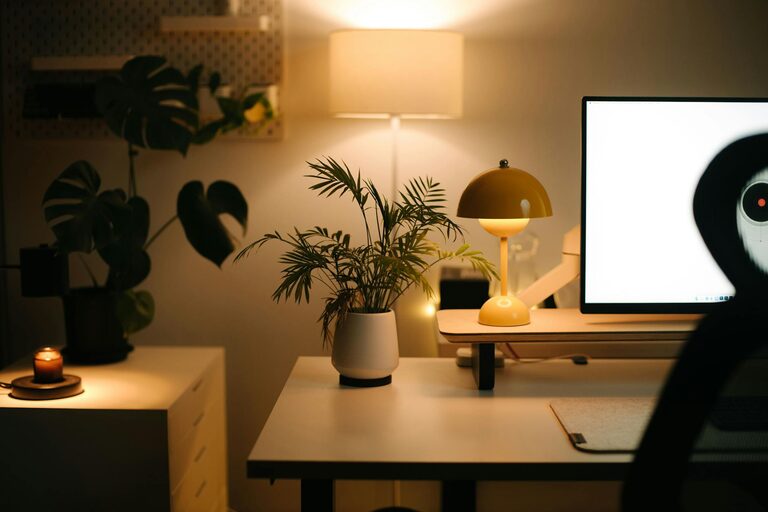
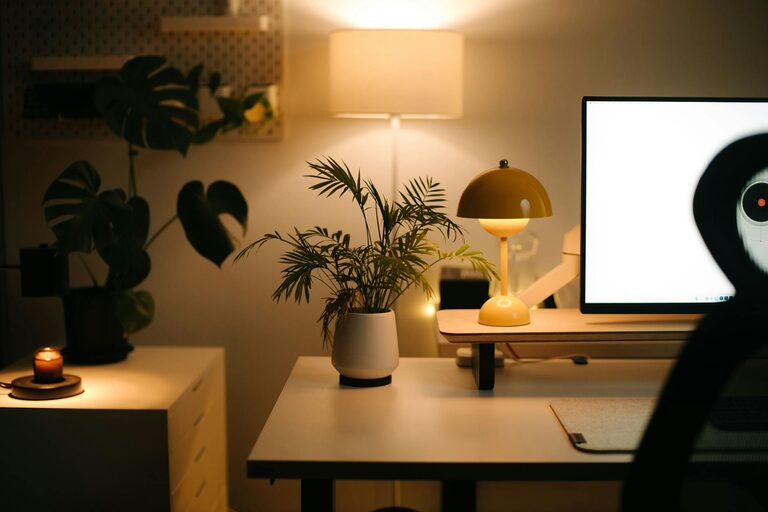
– Incorporate plants to improve air quality and add a refreshing element.
– Choose a color scheme that uplifts your mood, such as calming blues or energizing yellows.
– Use motivational quotes or a vision board to stay focused on your goals.
Personalization makes your workspace uniquely yours and encourages creativity.
Manage Noise Levels
Noise distractions can significantly impact your concentration. If you live in a noisy environment, try these methods:
– Use noise-cancelling headphones or listen to ambient music.
– Add rugs, curtains, or soft furnishings to absorb sound.
– Close doors and windows when possible.
– Consider white noise machines or apps to mask background noise.
Reducing unwanted sounds creates a quieter atmosphere conducive to deep work.
Utilize Technology Wisely
Technology is vital for remote work but can also cause distractions if not managed properly.
– Keep communication apps organized to avoid constant notifications.
– Use productivity tools like task managers or timers to stay on track.
– Keep your software and hardware up to date to prevent disruptions.
– Take advantage of cloud storage for easy access to documents.
Balanced use of technology can enhance your workflow rather than hinder it.
Prioritize Wellness
Your physical and mental health impact how productive you are. Incorporate wellness practices into your home office routine.
– Take short breaks to move around and stretch.
– Practice deep breathing or mindfulness exercises to reduce stress.
– Stay hydrated and keep healthy snacks nearby.
– Maintain good posture throughout the day.
Wellness habits contribute to sustained energy and focus.
Conclusion
Designing a productive home office environment is about more than just furniture and equipment. It’s a combination of thoughtful space selection, organization, comfort, and personal touches that support your work habits and well-being. By implementing these tips, you can create a workspace that helps you stay motivated, efficient, and comfortable every day. Remember, your home office should be a place where you feel inspired and equipped to do your best work.