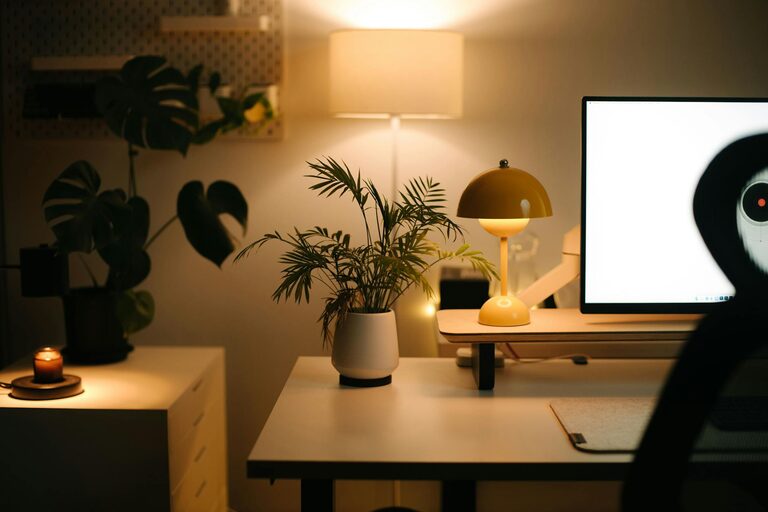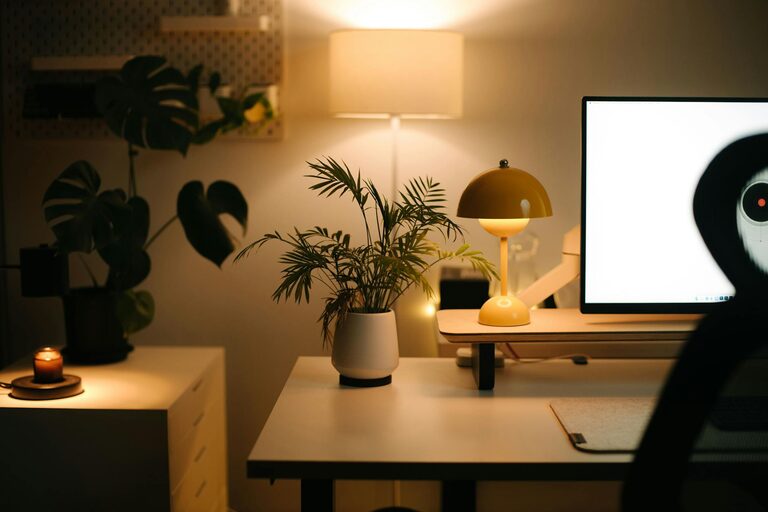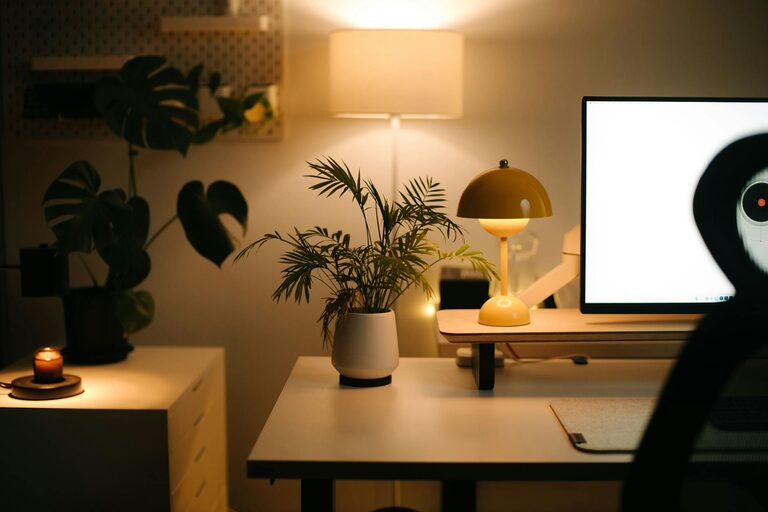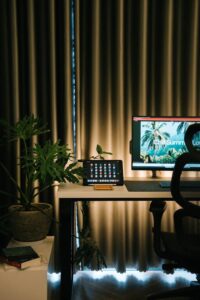
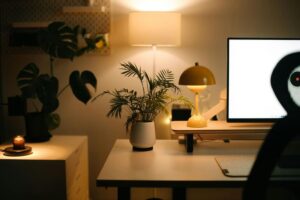
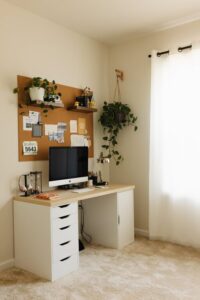
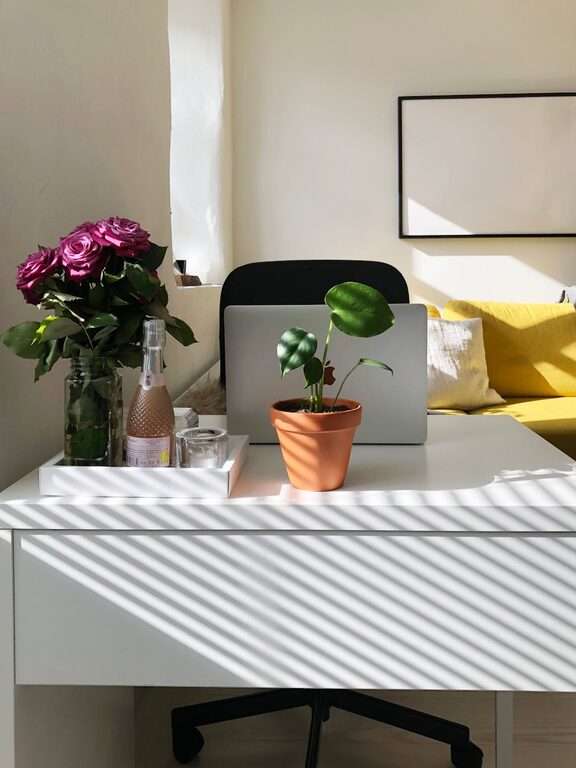
Creating a home office space that is both cozy and functional can greatly improve your productivity and overall well-being. Whether you work from home full-time or need a dedicated spot for occasional tasks, designing a comfortable and efficient workspace is key. In this post, we’ll explore practical tips to help you set up a home office that feels inviting and supports your daily work habits.
Choose the Right Location
The first step in designing your home office is selecting a suitable area. Ideally, pick a quiet spot with minimal distractions where you can focus without interruption.
– Natural Light: Try to position your desk near a window. Natural light not only brightens your space but can also improve mood and reduce eye strain.
– Privacy: If possible, choose a space that allows for privacy during calls or video meetings.
– Space: Make sure there’s enough room for your desk, chair, and any equipment or storage you need without feeling cramped.
Invest in Comfortable Furniture
Comfort plays a huge role in maintaining productivity. An ergonomic setup helps prevent fatigue and discomfort during long work sessions.
– Ergonomic Chair: Select a chair with adjustable height, lumbar support, and cushioning that encourages good posture.
– Appropriate Desk: Your desk height should allow your elbows to rest comfortably at about 90 degrees when typing.
– Additional Seating: Consider a small lounge chair or ottoman if space allows, providing a place to relax or brainstorm.
Organize with Purpose
A cluttered workspace can cause stress and distract you from tasks. Keep your office organized with these tips:
– Storage Solutions: Use shelves, drawers, and organizers to keep supplies and documents tidy.
– Cable Management: Use clips, ties, or under-desk trays to keep cords under control and avoid tangles.
– Minimalism: Only keep essentials on your desk to maintain a clean surface.
Personalize Your Space
Adding personal touches makes your home office feel inviting and uniquely yours, which can motivate you to spend time there.
– Decor: Incorporate artwork, plants, or photos that inspire you.
– Color Scheme: Choose calming colors like soft blues or greens, or energizing hues like yellow, depending on your preference.
– Lighting: Use a mix of ambient and task lighting. A desk lamp with adjustable brightness can reduce eye strain.
Optimize Technology and Equipment
Reliable technology ensures your work runs smoothly and efficiently.
– High-Speed Internet: Ensure your workspace has a strong Wi-Fi connection or use an Ethernet cable for stability.
– Equipment: Invest in a quality monitor, keyboard, and mouse to enhance comfort and efficiency.
– Backup Power: Consider a surge protector or uninterruptible power supply to protect your devices from outages.
Incorporate Break Zones (If Possible)
Including a small area for breaks can help separate work from rest and encourage healthier work habits.
– Relaxation Spot: A comfy chair or cushion to take quick breaks can improve focus.
– Hydration Station: Keep a water bottle or small beverage fridge nearby to stay refreshed.
Keep Your Workspace Flexible
Your work needs may change, so designing a flexible office can save time and money in the long run.
– Modular Furniture: Use furniture that can be rearranged or expanded as needed.
– Multi-Purpose Items: A desk with adjustable height can allow you to sit or stand.
Maintain a Routine
Finally, a well-designed space is most effective when paired with a consistent work routine.
– Set Boundaries: Define work hours to maintain work-life balance.
– Daily Tidying: Spend a few minutes at the end of each day clearing your desk.
– Regular Updates: Refresh your space periodically to keep it motivating and functional.
—
Creating a cozy and functional home office is about balancing comfort and practicality. With thoughtful furniture choices, organized setups, and personal touches, your workspace can become a place where you enjoy working every day. Try these tips to make your home office an inviting and efficient environment tailored to your needs.