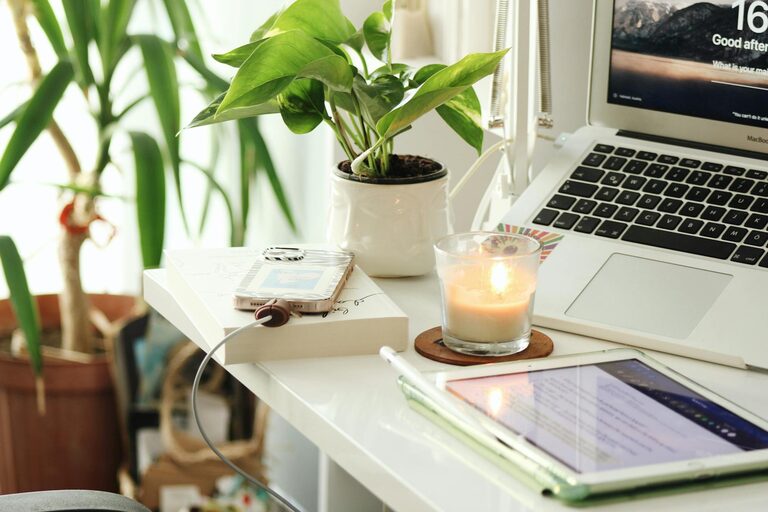
Creating a home office that is both cozy and productive can have a major impact on your work-from-home experience. A well-designed workspace encourages focus, reduces stress, and inspires creativity. Whether you have a small corner or a dedicated room, these tips will help you build an environment that supports your best work.
Choose the Right Location
Consider Natural Light
Natural light not only brightens your space but also positively affects your mood and energy. Position your desk near a window if possible. Avoid glare on your computer screen by angling your desk or using light-filtering curtains.
Minimize Distractions
Pick a spot away from noisy areas of your home. If noise is unavoidable, consider noise-cancelling headphones or adding soft furnishings like rugs and curtains to absorb sound.
Invest in Comfortable Furniture
Select an Ergonomic Chair
A supportive chair is essential for your comfort and health. Look for adjustable chairs with lumbar support to maintain good posture during long work sessions.
Use an Appropriate Desk
Your desk should have enough surface area for your computer, notes, and any other work essentials. Height matters too; ensure your desk allows your arms to rest comfortably at a 90-degree angle.
Organize Efficiently
Declutter Regularly
Keep only the items you need close by to avoid a cluttered workspace. Use drawers or storage boxes to keep supplies organized and out of sight.
Utilize Vertical Space
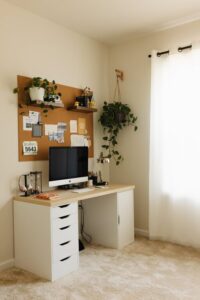
Wall shelves or pegboards can hold books, tools, or decor items without taking up desk space. This keeps your area tidy and visually appealing.
Personalize Your Space
Add Cozy Elements
Incorporate soft textiles like cushions, a throw blanket, or an area rug to add warmth and comfort. Plants also introduce a touch of nature and can improve air quality.
Display Inspiring Items
Photos, artwork, or motivational quotes can personalize your workspace and boost your mood. Be careful not to overcrowd the space — keep it uplifting but calm.
Pay Attention to Lighting
Layer Your Lighting
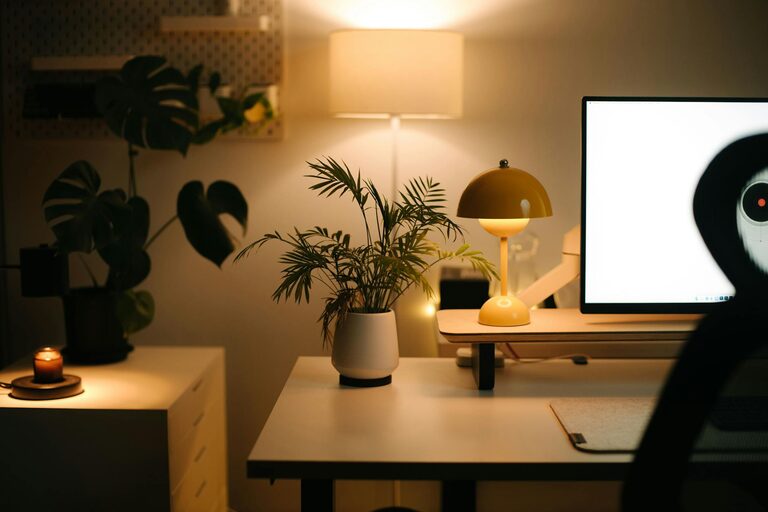
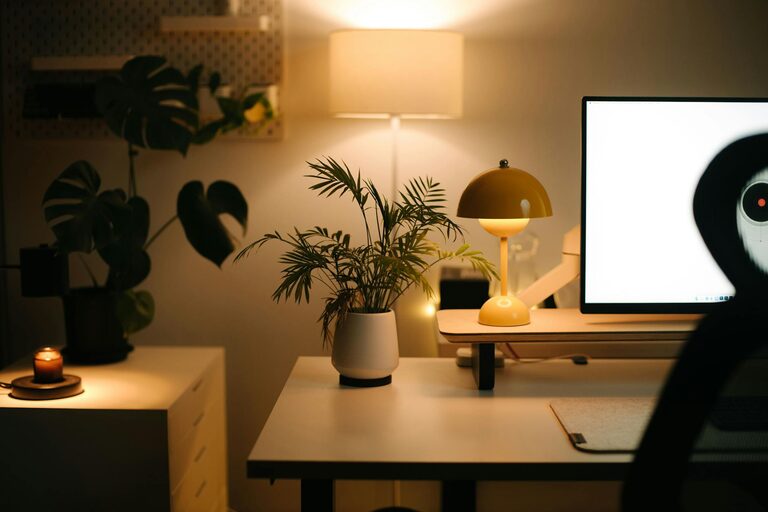
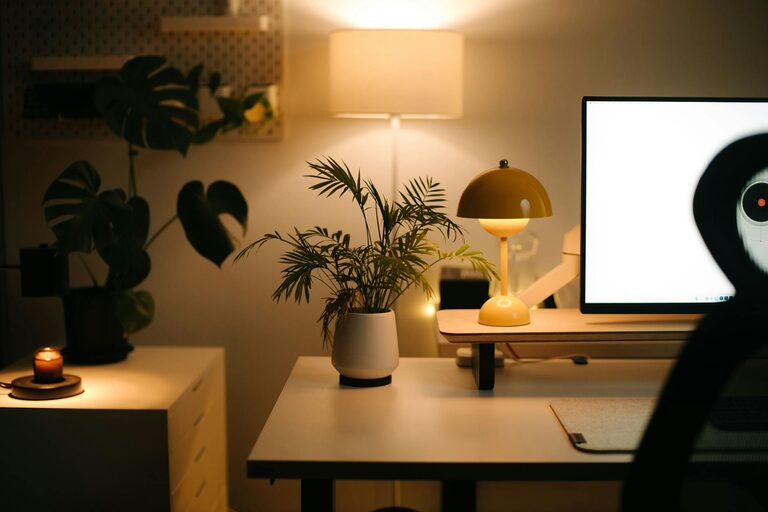
Combine overhead lighting with task lamps to reduce eye strain. Adjustable desk lamps help you focus light where you need it most, especially in the evenings.
Choose the Right Bulbs
Opt for bulbs that mimic daylight, which help maintain alertness and reduce fatigue, especially during gloomy days.
Set Boundaries
Define Work Hours
Establish clear start and end times to help separate work from personal life. Communicate these boundaries with others in your household if necessary.
Use Visual Cues
A closed door, a specific room, or even a room divider can signal that you are in “work mode.” This helps mentally switch between work and relaxation.
Keep Technology Updated and Functional
Maintain Your Equipment
Keep your computer, printer, and other devices clean and updated to avoid frustrating interruptions. Invest in reliable internet and accessories like a good keyboard and mouse for comfort.
Manage Cables
Use cable organizers or clips to keep wires tidy and prevent tangling. This also helps create a neat and safe environment.
Incorporate Break Zones
Create a Relaxing Spot
If space allows, dedicate a small area with a comfortable chair or cushion for quick breaks. Stretch, meditate, or simply step away from your desk to recharge.
—
Building a cozy and productive home office is about balancing comfort, organization, and functionality. Small adjustments can make a big difference in how you feel and perform throughout your workday. Start with these tips, and tailor your space to reflect your personal needs and style. Happy decorating and working!